
Generative Engine Optimization (GEO): The Complete Guide to AI Search Dominance for Enterprise Brands

Generative Engine Optimization (GEO): The Complete Guide to AI Search Dominance for Enterprise Brands
Hook: In the rapidly evolving landscape of search engine technology, the introduction of Google’s Search Generative Experience (SGE) has redefined how users interact with search results. For enterprise brands, this shift is not just a technological upgrade; it’s a strategic imperative. Welcome to the era of Generative Engine Optimization (GEO), where AI and SEO converge to create unparalleled search dominance.
Problem Statement: Traditional SEO strategies are becoming less effective as AI-driven search engines like Google SGE prioritize more interactive and contextually rich content. Enterprise brands need to adapt to these changes to maintain and enhance their online visibility and engagement.
Executive Overview: This comprehensive guide will explore the concept of GEO, its significance in the current digital ecosystem, and provide actionable strategies for enterprise brands to leverage AI search optimization. We will delve into the technical aspects, best practices, and innovative approaches to ensure your brand stands out in the new age of AI-powered search.
Understanding Generative Engine Optimization (GEO)
Generative Engine Optimization (GEO) is an advanced form of search engine optimization that focuses on optimizing content for AI-driven search engines. Unlike traditional SEO, which primarily targets keyword rankings and backlinks, GEO emphasizes the creation of high-quality, contextually rich, and interactive content that aligns with the capabilities of AI systems like Google SGE.
Key Differences Between SEO and GEO
| Aspect | SEO | GEO |
|---|---|---|
| Focus | Keyword rankings, backlinks, and on-page elements | Contextual relevance, interactivity, and user experience |
| Content Type | Static, keyword-optimized content | Dynamic, interactive, and multi-modal content |
| Target Audience | Humans and basic algorithms | AI systems and advanced algorithms |
| Techniques | On-page optimization, link building, and content marketing | Natural language processing, machine learning, and data-driven insights |
Why GEO Matters for Enterprise Brands
Enterprise brands face unique challenges in the digital landscape, including maintaining a strong online presence, engaging with a diverse audience, and staying ahead of competitors. GEO offers several advantages that can help enterprise brands achieve these goals:
- Enhanced User Experience: AI-driven search engines provide more relevant and interactive results, leading to a better user experience.
- Increased Visibility: By optimizing for AI, brands can appear in more search results, including featured snippets and knowledge panels.
- Better Engagement: Interactive and contextually rich content can drive higher engagement rates and longer session durations.
- Data-Driven Insights: AI provides valuable insights into user behavior and preferences, enabling more targeted and effective marketing strategies.
Step-by-Step Strategies for Implementing GEO
1. Conduct a Comprehensive Audit
Start by conducting a thorough audit of your current SEO and content strategy. Identify areas that need improvement and opportunities for integration with AI-driven technologies.
- Analyze your existing content for quality, relevance, and engagement.
- Review your website’s technical performance, including load times and mobile responsiveness.
- Assess your backlink profile and identify high-quality, authoritative sources.
2. Develop High-Quality, Contextually Rich Content
Create content that is not only keyword-rich but also contextually relevant and engaging. Use natural language processing (NLP) techniques to ensure your content resonates with both human readers and AI systems.
- Use long-tail keywords and conversational language.
- Incorporate multimedia elements such as images, videos, and infographics.
- Provide in-depth, well-researched, and authoritative information.
3. Leverage Interactive and Multi-Modal Content
AI-driven search engines favor interactive and multi-modal content. Incorporate elements such as chatbots, quizzes, and interactive infographics to enhance user engagement and provide a more dynamic experience.
- Implement chatbots to provide instant responses and assistance.
- Create interactive quizzes and surveys to engage users and gather data.
- Use augmented reality (AR) and virtual reality (VR) to create immersive experiences.
4. Optimize for Featured Snippets and Knowledge Panels
Featured snippets and knowledge panels are prime real estate in AI-driven search results. Optimize your content to increase the likelihood of appearing in these prominent positions.
- Structure your content with clear headings, subheadings, and bullet points.
- Provide concise, direct answers to common questions in your industry.
- Use schema markup to help search engines understand and display your content more effectively.
5. Utilize Data-Driven Insights for Continuous Improvement
AI provides valuable data and insights that can inform and refine your GEO strategy. Regularly analyze user behavior, engagement metrics, and search trends to make data-driven decisions.
- Use analytics tools to track and measure the performance of your content.
- Conduct A/B testing to optimize different elements of your content and user experience.
- Stay up-to-date with the latest AI and SEO trends and adjust your strategy accordingly.
Expert Insights and Best Practices
“The key to successful GEO is to focus on creating content that is not just optimized for search engines but also provides real value to users. By leveraging AI and NLP, you can create a more engaging and interactive experience that drives higher engagement and better results.” – [Your Name], Technical Director at Growintek Solutions
Key Takeaways
- Understand the differences between SEO and GEO and why GEO is crucial for enterprise brands.
- Conduct a comprehensive audit of your current SEO and content strategy.
- Develop high-quality, contextually rich, and interactive content.
- Optimize for featured snippets and knowledge panels.
- Utilize data-driven insights for continuous improvement and refinement.
Conclusion
Generative Engine Optimization (GEO) is the future of search engine optimization, and enterprise brands must embrace this shift to stay competitive. By implementing the strategies outlined in this guide, you can create a robust GEO strategy that enhances your online presence, engages your audience, and drives better results. For more information on how Growintek Solutions can help you achieve AI search dominance, visit our services page, about us, or contact us directly. Explore our portfolio to see how we have helped other enterprise brands succeed in the digital landscape.
Growintek Editorial Team
AI Growth Architect & Technical Director
Specializing in Web Engineering, Technical SEO, AEO/GEO Optimization, and Enterprise AI Lead Automation at Growintek Solutions.
Want to Scale Your Digital Revenue in 2026?
Book a 1-on-1 strategy call with Growintek's Senior AI & SEO Architects. Get a custom audit for your website.
Schedule Free Consultation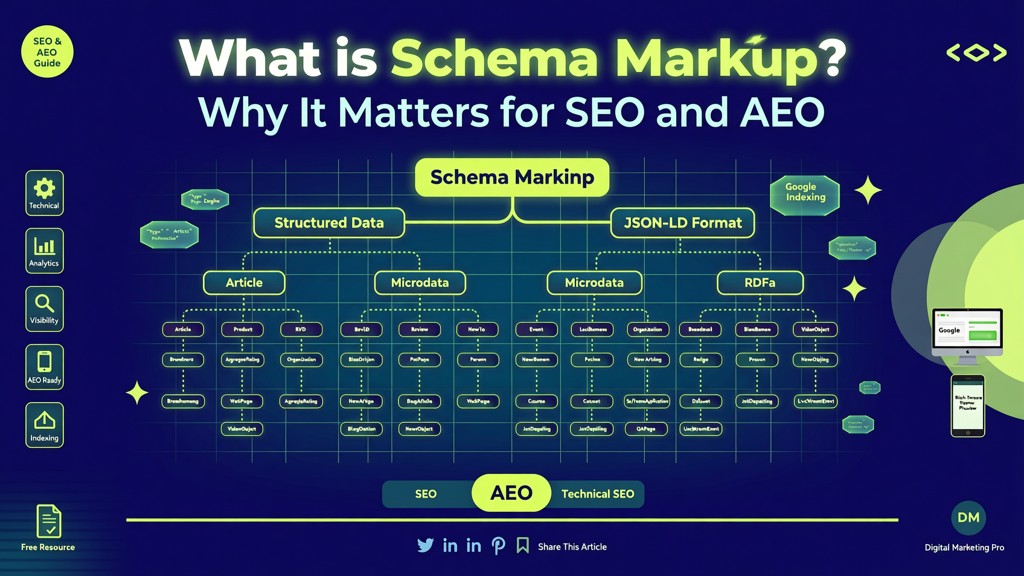

Community Discussion (0)
Verified Moderated ForumLeave an Expert Comment
Join the strategy discussion. All comments are verified against spam, language policies, and link filters.
To prevent automated spam, please verify your engagement by visiting our 4 official channels before entering your details: